When it comes to efficiently applying fertilizer, seed, or other granular materials to your lawn or garden, a self propelled powered spreader can be a game-changer. These machines save time and effort, making large-scale landscaping tasks much easier. Whether you’re a seasoned gardener or a first-time user, knowing how to operate and maintain your spreader properly is essential to achieving optimal results.
What Is a Self Propelled Powered Spreader?
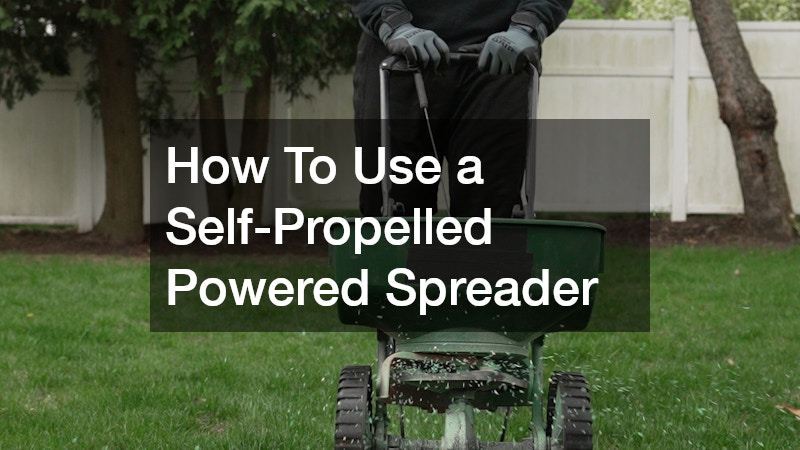
A self propelled powered spreader is a motorized device designed to evenly distribute materials like fertilizer, grass seed, or salt over a lawn or driveway. Unlike manual broadcast spreaders, these machines move on their own, reducing the physical effort needed from the operator.
They typically feature adjustable spreader settings, a hopper to hold the material, and wheels that allow the machine to move with ease across different terrains. There are two main types of self propelled powered spreaders: walk-behind and ride-on models. Walk-behind spreaders are more common for residential use and are ideal for smaller to medium-sized lawns. Ride-on models, on the other hand, are better suited for large properties or commercial landscaping jobs. While both types share similar functions, each has specific features designed for its intended use.
Step-by-Step Guide: How to Use a Self Propelled Powered Spreader
1. Prepare the Spreader
Before you start, it’s crucial to ensure your spreader is ready for operation. First, check the hopper to ensure it’s clean and free of any debris from previous uses. This step will prevent clogs and ensure that the material is spread evenly. If you’re using the spreader for the first time or after a long period of disuse, check the manufacturer’s instructions to ensure all parts are properly assembled and secured. Next, load the spreader with the appropriate material. Whether you’re applying fertilizer, grass seed, or other granular products, be sure to choose the right material for your needs. Use the recommended product for your lawn type and season. If you’re unsure, most garden centers provide specific recommendations for the type of spreader and material that will yield the best results.
2. Adjust the Spreader Settings
Self propelled powered spreaders come equipped with adjustable settings for the flow rate and spread width. It’s important to adjust these settings based on the material you’re using and the size of your lawn. The manufacturer’s guide will offer precise measurements, but as a general rule, you should adjust the flow rate to match the coverage required. If you’re spreading fertilizer, for instance, the setting will likely be different than if you’re spreading seed. Adjusting the spreader’s settings ensures that you apply the right amount of material without overapplying or wasting it. Make sure the spreader’s settings are calibrated to the manufacturer’s recommendations for optimal efficiency.
3. Start the Self Propelled Powered Spreader
Now that the spreader is prepared, it’s time to start the machine. With most models, you simply engage the throttle or start switch, and the spreader will begin to move forward on its own. As you walk behind the machine, you’ll control the spread pattern and speed by guiding it along the lawn. It’s crucial to keep a steady pace as you walk to ensure even coverage. Going too fast can result in uneven distribution, while moving too slowly may cause over-application in certain spots. If you’re new to using a spreader, it might take a few passes to get used to the speed and feel of the machine.
4. Overlap Your Passes
To achieve a uniform application, make sure you slightly overlap each pass. When spreading fertilizer or seed, it’s important to cover the edges of each pass to ensure no areas are missed. Depending on the spreader model, you might need to make one or two passes over the same area for complete coverage.
In addition to overlapping, keep an eye on the spreader’s wheels to ensure that the material is being dispersed evenly. The pattern should be uniform, with no patches of heavy or light application. This ensures that your lawn gets the nutrients or seed it needs to grow evenly.
5. Shut Down the Spreader Properly
Once you’ve covered the desired area, it’s time to shut down the spreader. First, disengage the motor and make sure the spreader is turned off completely. This step helps prevent unnecessary wear on the motor and stops any material from continuing to disperse after you’ve finished. It’s also a good idea to empty the hopper of any remaining material. This will prevent it from clumping and clogging the spreader, ensuring it’s ready for the next use. Clean the spreader thoroughly, paying particular attention to the hopper and any
This spreader is an efficient and effective tool for tackling large landscaping projects. By following these steps and taking the time to adjust settings, maintain the spreader, and apply material evenly, you’ll achieve the best results for your lawn or garden. Whether you’re fertilizing your lawn, spreading seed, or preparing your driveway for winter, a self propelled powered spreader will save you time and effort while ensuring that your tasks are completed efficiently and professionally.