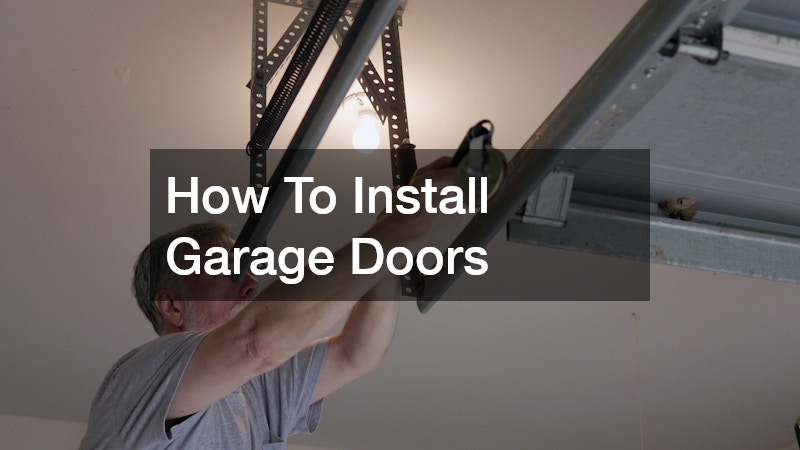
Installing garage doors can seem daunting, but with the right tools and instructions, it can be manageable. This guide addresses the most commonly asked questions about garage door installation. A systematic approach not only simplifies the process but also enhances safety.
What Tools Do You Need To Install Garage Doors?
Measuring Tools
Accuracy is key in installing a garage door, making measuring tools essential. A reliable tape measure is crucial for precise dimensions.
Level tools ensure alignment to avoid functional issues later. Laser measuring tools, while optional, provide enhanced precision, especially for large openings. Double-check measurements before beginning.
Hardware and Fasteners
High-quality hardware and fasteners are critical for a durable garage door installation. Bolts, screws, and brackets should be corrosion-resistant. Selecting the right gauge of steel ensures brackets can bear the door’s weight without bending. A torque wrench helps in securing fasteners precisely, avoiding loosening over time. Quality materials directly impact the door’s performance and safety.
Power Tools
Power tools expedite installation and improve precision. A power drill is essential for creating necessary holes. Circular saws can customize panels if needed. Impact drivers are useful for tightening fasteners swiftly. Cordless tools offer flexibility, ensuring free movement when working in confined spaces.
Safety Equipment
Safety should never be compromised. Safety glasses protect against flying debris, and durable gloves safeguard hands. A safety harness is advisable with larger, heavier doors. Ear protection can be important when operating loud tools. Having the right safety equipment minimizes risks.
Miscellaneous Supplies
Miscellaneous supplies keep the installation smooth and uninterrupted. Lubricants maintain the mobility of moving parts. Cleaning rags help maintain a tidy workspace. Extra weather stripping ensures a perfect seal against drafts and moisture. Certain adhesives may be needed for specific materials.
How To Prepare Your Garage for Door Installation?
Clearing the Space
Start by clearing the work area, removing obstructive items like bicycles or boxes. A clean space reduces accident risk and ensures ample room for components.
Inspecting the Opening
Inspect the garage opening for any structural concerns like cracks or sagging beams. Check the floor level; uneven surfaces may need correction. Ensuring structural integrity prevents future malfunctions.
Measuring Dimensions
Accurately measure the garage opening. Take width and height measurements at various points to detect irregularities. Measure space for track installation and confirm space for hardware.
Electrical Setup
Prepare electrical components before installation. Ensure there are adequate power outlets and plan wiring paths early to avoid complications.
Material Preparation
Gather all required materials beforehand to avoid interruptions. Unpack and inspect for damage or missing pieces. Group items by installation phase to maintain order.
Step-by-Step Guide to Installing the Garage Door
Frame Installation
Start with frame installation, cutting wooden frames according to verified measurements. Attach the frame securely and ensure alignment with a level.
Assembly of Panels
Align the bottom panel against the opening, securing it temporarily. Stack and secure subsequent panels, ensuring alignment. Adjust weather stripping for drafts and water protection.
Track Setup
Install tracks for smooth door operation. Ensure vertical tracks align with the frame and horizontal tracks extend correctly. Secure connections to eliminate vibration.
Spring Installation
Properly attach torsion springs, winding them in the correct direction. Adjust spring tension to match the door’s weight. Regularly test balance.
Installing an Opener System
Mount the opener motor securely, attach the opener arm, and wire sensors to ensure safety. Calibrate settings for optimal performance.
How To Ensure Safety During Installation?
Using Safety Gear
Use safety gear to prevent accidents, including goggles, gloves, and hard hats. This reduces injury likelihood.
Understanding Load Limits
Respect component load limits for safety and reliability. Ensure all parts support the door’s weight without strain.
Managing Torsion Springs
Cautiously handle torsion springs, adjusting tension per manufacturer guidelines. Work with a partner to mitigate risk.
Correct Usage of Tools
Use each tool correctly to avoid breakage or injury. Maintain tools for long-lasting performance.
Partner Work
A partner improves safety and efficiency. They assist with measurements, heavy lifting, and collaborative problem-solving.
Common Mistakes To Avoid When Installing a Garage Door
Improper Measurements
Improper measurements may lead to incompatible components. Double-checking minimizes this risk.
Incorrect Alignment
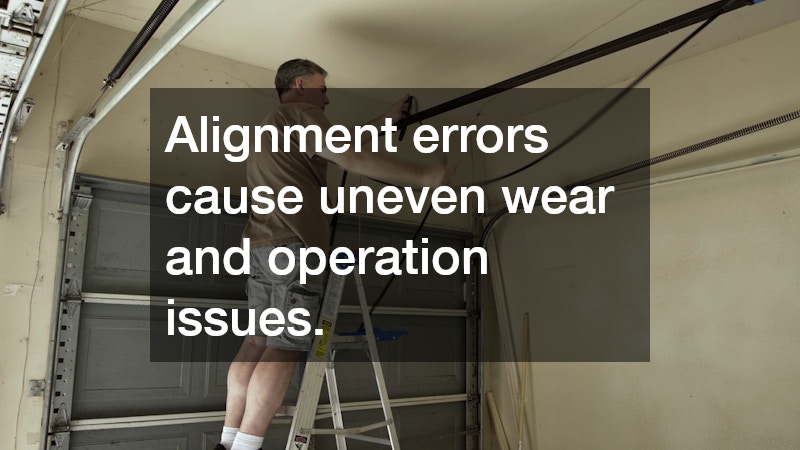
Alignment errors cause uneven wear and operation issues. Ensure all components are level and plumb to successfully install garage doors.
Ignoring Instructions
Ignoring instructions may result in incomplete installations. Follow the guide to avoid mishandling and maintain warranty validity.
Overlooking Safety Precautions
Failing to use personal protective gear can cause injuries. Assess weight and dimensions accurately to prevent accidents.
Lack of Maintenance Planning
Plan for maintenance post-installation to prevent deterioration. Regular maintenance extends the garage door’s lifespan.
Installing a garage door requires careful planning, but it’s achievable with the right guidance. By following steps and avoiding common mistakes, installation is efficient and safe, enhancing property value and functionality. A well-installed garage door offers aesthetics, security, energy efficiency, and convenience.