Many homeowners have underutilized spaces in their homes, basements, attics, and garages that often remain idle for years. These areas have untapped potential and can be transformed into functional living spaces that increase home value, improve comfort, and enhance daily life. Yet, turning these spaces into inviting, practical rooms requires thoughtful planning, strategic design, and sometimes professional guidance.
There are many reasons a homeowner might consider converting an underused area like a basement, attic, or garage into a functional living space. Often, families simply need more usable square footage without the cost or disruption of building an addition. Converting these spaces can create extra bedrooms, home offices, gyms, or entertainment areas to meet evolving lifestyle needs. In some cases, underused spaces may be dark, cluttered, or even unsafe, prompting a transformation to improve comfort, organization, and safety. Additionally, converting these areas can increase a home’s resale value, making it more appealing to potential buyers. For homeowners looking to make the most of their property, a well-planned conversion turns previously neglected spaces into practical, attractive areas that enhance daily living.
Converting these areas goes beyond simply cleaning or painting. It involves addressing structural concerns, improving lighting and ventilation, selecting suitable flooring, and incorporating clever storage solutions. Done well, the result can be a home office, a home gym, a playroom, a guest suite, or a multipurpose space that suits the family’s lifestyle. This guide provides actionable strategies and detailed steps to help homeowners unlock the potential of their basements, attics, and garages.
Assess and Prepare the Space for Conversion
Upgrading a basement can transform it from a dark, underused space into a comfortable, functional area that complements the rest of the home. One of the first steps is addressing moisture and water management through proper basement waterproofing, which protects against mold, mildew, and structural damage. Once the space is dry and secure, flooring upgrades such as epoxy coatings or engineered wood can improve both durability and aesthetics, making the basement feel brighter and more inviting.
Adding energy-efficient lighting and proper ventilation enhances air quality and overall comfort, while built-in storage solutions like shelving or closet cabinets help keep the area organized. Homeowners can also consider modern finishes such as painted walls, decorative ceiling treatments, and area rugs to create a cozy, stylish environment suitable for a home office, entertainment area, or guest suite. Together, these upgrades maximize the basement’s usability while increasing the home’s overall value.
The first step in any successful conversion is assessing the space thoroughly. Basements, attics, and garages each come with unique challenges. Basements, for example, often suffer from moisture and water infiltration, which can lead to mold, mildew, and structural issues. To create a safe, dry environment, professional basement waterproofing is essential. This may involve sealing cracks, installing sump pumps, or adding vapor barriers to prevent moisture from seeping into the space over time.
In addition to moisture, structural integrity must be evaluated. Inspect walls, ceilings, and support beams for cracks or signs of settling. Working with professionals who provide foundation services ensures that any underlying issues are addressed before renovation begins. For attics, check roof stability and insulation quality, while garages may need assessment for weight-bearing capacity or reinforcement if the walls or ceilings are being repurposed. Taking time to prepare the space creates a safe and solid foundation for the conversion and prevents costly surprises later.
Optimize Lighting and Ventilation
Lighting and ventilation are essential for making underused spaces functional and comfortable. Basements and attics often suffer from limited natural light, creating dark and unwelcoming spaces. Adding energy-efficient LED lighting, recessed fixtures, or even skylights in attics can dramatically improve brightness. For basements, consider layered lighting, such as overhead fixtures combined with wall sconces or floor lamps, to evenly illuminate the area.
Ventilation is equally important. Poor airflow can lead to musty odors, stagnant air, and even mold growth. Installing vents, ceiling fans, or ductwork helps circulate fresh air and maintain a comfortable environment. Combining proper lighting and ventilation with basement epoxy flooring services creates a clean, low-maintenance surface that brightens darker areas while enhancing the overall livability of the space. Epoxy floors reflect light effectively, adding to the sense of openness in basements while remaining durable and moisture-resistant.
Upgrade Flooring for Style and Durability
Flooring plays a pivotal role in the functionality and aesthetics of converted spaces. Choosing the right flooring type depends on the intended use. Basements and garages benefit from moisture-resistant options such as epoxy, vinyl, or tile. These materials withstand dampness, are easy to clean, and provide long-term durability. Attics, meanwhile, may accommodate laminate, engineered wood, or carpet, depending on the level of insulation and intended activity.
In addition to functional flooring, area rug installation can enhance warmth and style, especially in spaces designed for relaxation, work, or recreation. Rugs define specific zones within multipurpose rooms, provide sound insulation, and add a touch of comfort that hard flooring alone cannot offer. In basements, placing a rug over epoxy flooring softens the area and creates an inviting atmosphere, while in attics, rugs can visually separate workspaces, reading nooks, or exercise areas. Carefully selected flooring and rugs ensure both practicality and aesthetic appeal in any converted space.
Maximize Storage Solutions
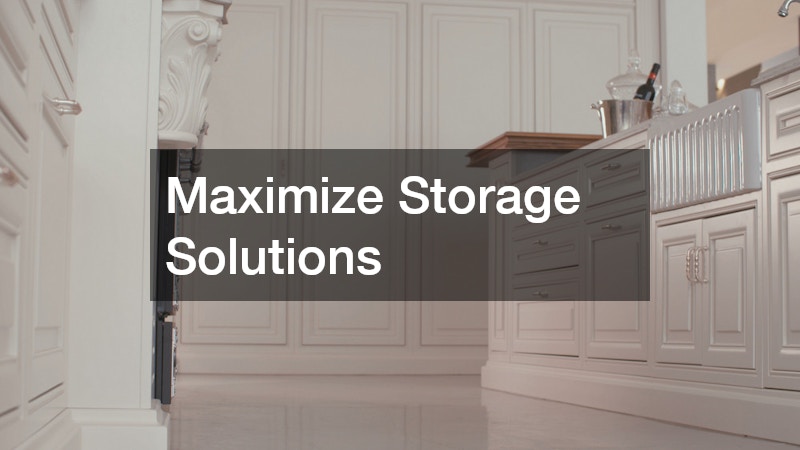
Storage is a critical consideration when converting underused spaces. Attics and garages often have vertical space that is underutilized. Installing shelving, wall-mounted racks, or custom built-ins makes it easier to organize belongings and keeps the space clutter-free. Closet cabinets are a smart solution for hidden storage, offering a streamlined look while providing functional space for seasonal items, tools, or household supplies.
In basements, incorporating storage into the layout can enhance functionality without taking up valuable floor space. Multi-tier shelving, under-stair storage, or built-in benches with compartments are ideal options. For attics with slanted ceilings, customized shelving or cubbies make use of low-clearance areas that would otherwise go unused. Efficient storage solutions allow homeowners to maintain order while maximizing the space’s potential for living or working purposes.
Transform the Garage into a Multi-Use Room
Garages are often overlooked when it comes to functional living space, but with planning, they can serve multiple purposes. Some homeowners convert garages into home offices, gyms, entertainment rooms, or hobby areas. Working with professional garage builders ensures structural modifications are safe and comply with building codes, especially if walls, support beams, or electrical systems are involved.
Even when converting a garage, retaining or updating garage doors can offer flexibility. For example, partial conversions can allow parking while transforming part of the space for other functions. Choosing modern or insulated garage doors adds comfort, improves energy efficiency, and enhances curb appeal. Planning the layout carefully and consulting professionals allows homeowners to transform garages into fully functional rooms without compromising structural integrity or convenience.
Ensure Accessibility and Safety in Attic and Basement Conversions
Accessibility and safety are key when converting basements and attics into usable living spaces. Safe staircases, handrails, and adequate lighting prevent accidents, especially in high-traffic areas. Fire safety is also essential—install smoke detectors, carbon monoxide monitors, and fire-rated materials where appropriate.
Basements, in particular, require attention to moisture control. Effective basement waterproofing prevents slippery surfaces, mold growth, and damage to electrical systems. Additionally, consider emergency egress options such as larger windows or secondary exits to comply with safety regulations and provide peace of mind. Prioritizing accessibility and safety ensures the converted spaces are comfortable and secure for everyday use.
Enhance the Space with Smart Design and Layout

A well-planned layout is essential for maximizing the usability of converted spaces. Zoning areas for different functions — workspaces, storage, recreational zones—helps maintain order and efficiency. Built-in closet cabinets or custom storage solutions can keep belongings organized without encroaching on floor space.
In smaller spaces, using modular furniture, foldable desks, or multi-purpose seating increases flexibility. In attics, low ceilings may necessitate creative storage or seating arrangements, while basements might benefit from partitioning to define entertainment, workspace, or exercise areas. Thoughtful design ensures that every inch of converted space serves a purpose while remaining visually appealing and comfortable.
Upgrade Garage Functionality with Smart Additions
Garage conversions benefit greatly from upgrades that improve both comfort and functionality. Regular garage door service ensures smooth operation and prevents mechanical issues, which is particularly important if the garage continues to function as a parking space. Replacing or insulating garage doors also contributes to energy efficiency and climate control, making the area suitable for year-round use.
Additional upgrades may include installing proper lighting, flooring solutions, and HVAC enhancements. Climate-controlled garages are ideal for home offices, gyms, or recreational spaces. These improvements make the space more inviting and functional, ensuring it can serve multiple purposes while remaining secure and accessible.
Add Finishing Touches to Increase Comfort and Aesthetic Appeal
Once the structural and functional aspects of the space are addressed, finishing touches enhance comfort and style. Decorative wall treatments, ceiling finishes, and furniture choices define the character of the room. Basement epoxy flooring services provide a polished, durable surface that complements furniture and décor while remaining easy to clean.
Beyond flooring, lighting, and storage, finishing touches can really elevate a converted basement, attic, or garage, making it feel polished, cozy, and complete. Decorative wall treatments — like wainscoting, shiplap, or accent paint — can add texture and personality, while ceiling enhancements such as exposed beams, coffered ceilings, or recessed panels make the space feel more intentional. Installing trim, baseboards, or crown molding also gives the room a finished, high-end look. Furniture and décor choices — like built-in benches, floating shelves, or modular seating — can maximize functionality without overcrowding the space. Accessories such as rugs, throw pillows, artwork, and curtains help soften the room and create warmth. Even small additions, like smart thermostats, dimmable lighting, or accent lamps, can dramatically improve comfort and usability. Together, these finishing touches make a converted space not just functional, but inviting and stylish.
Adding area rug installation to the flooring design further enhances warmth, softness, and visual interest. Rugs can create intimate zones in large multipurpose rooms or soften otherwise stark spaces. Thoughtful decoration, combined with functional flooring and storage, ensures the converted areas are not only practical but also inviting and enjoyable for everyday use.
Plan for Long-Term Maintenance and Use
Converted spaces require ongoing care to remain functional and safe. Regular inspections for moisture, structural integrity, and mechanical systems help prevent small issues from escalating. Periodic maintenance of basements, attics, and garages ensures that any foundation issues or wear and tear are addressed before they become major problems.
For garages, occasional professional inspections by garage builders or technicians can extend the life of structural elements and mechanical systems, including garage doors and insulation. Similarly, basements benefit from periodic waterproofing assessments to maintain a dry and healthy environment. By planning for long-term maintenance, homeowners ensure that their converted spaces remain safe, functional, and enjoyable for years to come.
While converting basements, attics, or garages can add valuable living space, there are some potential downsides to consider. One major concern is cost — professional renovations, including structural adjustments, flooring, insulation, lighting, and moisture control, can add up quickly. These spaces often require specialized work, such as basement waterproofing or attic reinforcement, which can be expensive. Another downside is potential structural or moisture issues; improperly converted areas can suffer from mold, poor ventilation, or foundation stress if problems aren’t addressed beforehand. Additionally, converting a garage may reduce parking or storage space, which can be inconvenient for families. Finally, building permits and local code compliance may be required for certain conversions, adding time and administrative work to the project. Despite these challenges, careful planning and professional guidance can help mitigate risks and make the conversion worthwhile.
Converting basements, attics, and garages into functional living spaces unlocks untapped potential in the home, adding value, comfort, and utility. Proper assessment, moisture control, lighting, ventilation, flooring, storage, and layout design are essential to successful conversions. Professional guidance can help ensure safety and structural integrity while providing expertise for more complex modifications.
By combining smart design, functional storage, durable flooring, and finishing touches, homeowners can create inviting spaces that serve multiple purposes. Whether it’s a home office, gym, entertainment room, or extra bedroom, these underused areas can become dynamic, practical extensions of the home. Careful planning, professional support, and ongoing maintenance ensure that the transformation delivers long-term benefits for both comfort and home value.