Rodents pose threats to home safety and cleanliness. Effective rodent and pest control prevents property damage and health risks. Ensuring a secure and healthy living environment requires understanding the specific risks associated with rodent invasions.
Every homeowner should prioritize learning about rodent behaviors and prevention techniques to effectively manage potential threats.
1. Identifying Rodent Infestations
1.1 Signs of Infestation
Check for droppings, gnaw marks, nesting materials, musky odors, and tracks to spot rodent infestations early. Regularly inspect less frequently used areas such as basements and attics for these tell-tale signs. Don’t ignore unusual sounds during the night, such as scurrying or scratching, which could indicate a rodent problem.
1.2 Common Entry Points
Seal small holes, gaps around doors and windows, roof vents, and utility openings to prevent rodent entry. Use high-quality materials like steel wool or caulking for effective sealing. Regular inspection and maintenance of these areas are essential to ensure ongoing protection against new entry routes.
1.3 Environmental Patterns
Expect more rodent activity during colder months and near habitats like dense vegetation or water bodies. Understanding these patterns helps homeowners anticipate and prepare for increased rodent activity. Stay vigilant about changes in the environment that could alter rodent behavior, such as nearby construction or landscaping changes.
2. Common Rodents in Homes
2.1 Mice and Rats
House mice and rats, like Norway and roof rats, are common invaders. Recognizing their traits aids in control. Knowing the differences between species can help in choosing the appropriate control methods. House mice, for example, prefer different types of bait than Norway rats, which can be more cautious.
2.2 Squirrels and Other Rodents
Squirrels, chipmunks, and voles can also invade homes, particularly when gardens provide easy access. These rodents can cause structural damage as they gnaw on wires and insulation. Identify their nesting sites, often found in attics or wall voids, to effectively control their presence.
2.3 Geographic Variations
Rodent species vary by location. Tailor control strategies based on local rodent populations. Consult with local pest control experts to understand the specific rodent challenges in your area. Local wildlife agencies can also provide resources and advice on managing regional rodent problems effectively.
3. Rodent Control Methods
3.1 Traps and Baits
Use snap traps, electronic traps, and baits effectively for various rodent issues. Place traps in common rodent paths for maximum effectiveness. Regularly check and maintain traps, and replace baits as needed.
3.2 Professional Services
When infestations are extensive, professional pest control can assess, treat, and offer long-term prevention advice. Professionals have access to more effective tools and treatments that are unavailable to the average homeowner. Scheduling regular professional inspections can provide peace of mind and early detection of new issues.
3.3 Prevention and Maintenance
Seal entry points, keep areas clean, and maintain property to prevent rodent attractions. Regularly trim overgrown vegetation and remove potential nesting materials from your property. Educate family members on the importance of cleanliness and organization to support these efforts.
4. Health Risks from Rodents
4.1 Diseases from Rodents
Rodents can carry diseases like hantavirus and salmonellosis, making rodent control important. These diseases can be transmitted through direct contact or indirectly via contaminated surfaces. Awareness of these health risks reinforces the need for continual vigilance and prevention.
4.2 Droppings and Urine Risks
Droppings and urine can spread illness and require careful cleanup. Use disposable items when cleaning, and safely dispose of waste to prevent contamination. Follow up with disinfection to eliminate any remaining pathogens.
4.3 Safe Cleaning Practices
Use protective gear and disinfectants when cleaning areas contaminated by rodents. Ensure proper ventilation during cleaning to reduce the risk of inhaling airborne particles. Adhere to safety guidelines during cleanup to prevent exposure to harmful substances.
5. Rodent-Proofing Your Home
5.1 Securing Entry Points
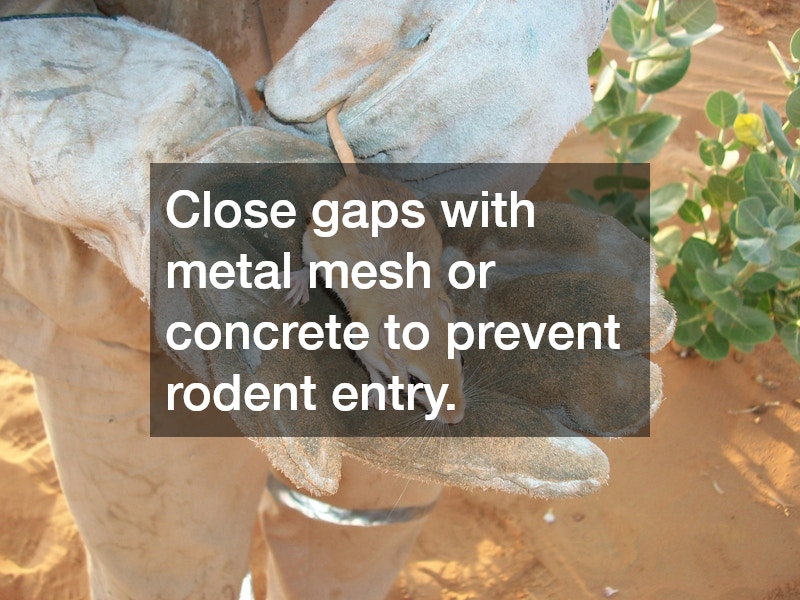
Close gaps with metal mesh or concrete to prevent rodent entry. Regularly monitor these seals to ensure they remain intact and effective against potential breaches. Consider using rodent-proof materials when renovating or upgrading parts of your home.
5.2 Food and Waste Management
Store food in airtight containers and manage waste to eliminate rodent food sources. Implement a regular cleaning schedule in pantry and kitchen areas to minimize residue and crumbs. Encourage the entire household to participate in these efforts to ensure a collective approach to rodent-proofing.
5.3 Exterior Maintenance
Maintain yard and distance woodpiles from structures to deter rodents. Regularly check for signs of nesting in outdoor structures and take immediate action as needed.
An aware, proactive approach with effective control and prevention protects homes from rodents. Diligent effort achieves and maintains a rodent-free environment. Stay informed on the latest pest control strategies to continuously improve your approach. Engage with community resources and share successful strategies to benefit others facing similar challenges.