You finally upgraded your pool, and it looks fantastic sitting in the yard, but something still feels off when you step outside. Maybe the space around the water looks patchy, the lighting disappears at dusk, or the grass nearby is more dirt than green. A pool is a centerpiece, not a complete backyard, and the surrounding details are usually what separate a finished outdoor space from one that still feels like a work in progress. This article walks through the most common gaps homeowners overlook and what it actually takes to close them.
The Missing Layer of Evening Lighting
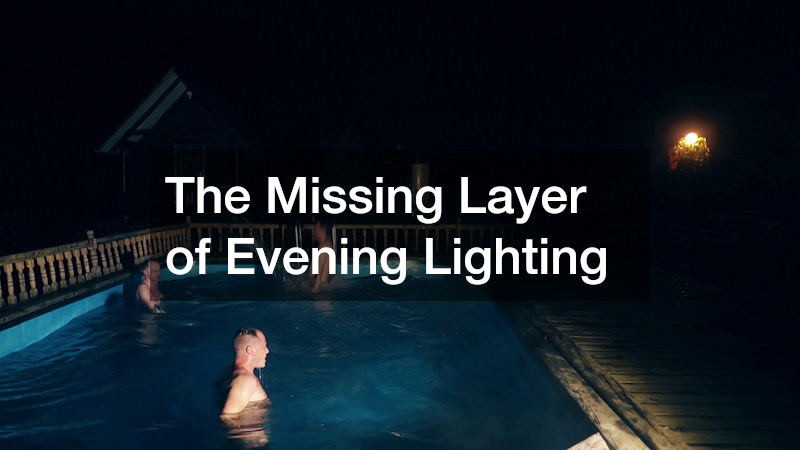
A pool that looks stunning in daylight can feel flat and uninviting once the sun goes down, and that is often because the surrounding lighting was never planned as part of the original project. Many homeowners focus entirely on the water feature and forget that the space around it needs its own visual layer after dark. Without it, the yard reads as unfinished even though the pool itself is brand new.
This gap usually shows up as one dominant light source, like a single pool light or a bright floodlight mounted on the house, with everything else falling into shadow. Patios, walkways, seating areas, and landscaping beds end up as dark voids the moment the sun sets. The eye is drawn to the pool alone, and the rest of the yard essentially disappears.
A properly layered lighting design usually includes at least three elements: path or step lighting for safety, low-voltage landscape lighting to highlight trees and plant beds, and ambient fixtures like string lights or lanterns over lounge and dining areas. Deck and coping lights can also be added to define the pool’s edge without overpowering the water itself. Even small details, like uplighting a single specimen tree or washing a fence line in soft light, add depth that makes the whole yard feel intentional.
Getting this right also involves practical choices, such as warm color temperatures around 2700K to 3000K for a cozy feel, dimmable or smart controls for adjusting brightness by occasion, and fixture placement that avoids glare when guests are seated near the water. Without this kind of planning, even a beautifully renovated pool can leave the backyard feeling like a work in progress after dark.
A pool that looks stunning at 2 p.m. can go completely flat once the sun drops, leaving the rest of the yard as a dark, uninviting backdrop. Thoughtful landscape lighting solves this by highlighting walkways, plantings, and architectural features so the whole yard feels intentional rather than accidental, rather than fading into shadow the moment dinner ends.
The key is layering different types of fixtures rather than relying on one blanket light source. Path lights along the deck edge guide foot traffic safely while adding a soft, low-level glow at ground height. Uplighting on trees or ornamental grasses casts dramatic shadows and adds depth, turning flat landscaping into a nighttime focal point. Subtle fixtures tucked near seating areas or under bench seating provide just enough illumination for conversation without competing with the pool’s own lighting.
Even small details matter here: warm color temperatures around 2700K to 3000K tend to feel more inviting than stark white light, and dimmable, low-voltage LED systems make it easy to adjust brightness for a quiet weeknight swim versus a backyard gathering. Together, these layers extend usability into the evening hours and finally make the yard feel like a finished, cohesive space rather than a pool surrounded by darkness.
- Low-voltage fixtures (typically 12V) along walkways and steps reduce trip hazards after dark while using a fraction of the electricity of standard 120V lighting
- Uplighting on mature trees adds depth and drama, especially when angled to graze bark texture rather than flooding the canopy
- Path lights spaced 6 to 8 feet apart create a guided glow without turning the yard into a runway
- Warm-toned bulbs, generally in the 2700K to 3000K range, tend to look more natural than cool white ones and flatter both stone and skin tones
- Shadowing techniques, like placing a fixture in front of a plant to cast its silhouette on a wall, add texture that flat lighting can’t
- Timers or smart controls make nightly use effortless, letting lights ramp on at dusk and off at a set hour without anyone flipping a switch
- Layering light sources at different heights, ground level, tree level, and structure level, keeps the space from feeling flat once the sun goes down
Choosing the Right Professional for Pool Additions
Once a pool is in place, many homeowners try to tackle surrounding upgrades piecemeal, hiring different people for different tasks without a cohesive plan. This often leads to mismatched materials, awkward transitions, and wasted money on work that has to be redone later. A better approach is bringing in a pool contractor early who can look at the entire backyard as one connected project.
A contractor with pool-specific experience understands how decking, drainage, fencing, and plantings all need to work together around a body of water. They can also flag code requirements or drainage issues that a general landscaper might miss entirely.
- Ask for photos of completed backyard projects, not just pool installs
- Confirm they coordinate with electricians and fence installers
- Request a phased plan if the budget requires spreading work over time
Why the Pool Itself May Need a Second Look
Sometimes the unfinished feeling is not about what surrounds the pool but about the pool installation itself. If the original build was rushed, undersized for the yard, or poorly positioned, no amount of landscaping will fully fix the sense that something is off. Bringing in an experienced inground pool installer for a consultation can clarify whether the issue is structural or purely cosmetic.
A second opinion can reveal things like insufficient shallow-end space, poor water flow, or equipment placed in an inconvenient spot that limits how the rest of the yard can be designed. Catching these issues now prevents bigger headaches once decking and landscaping are finalized around a flawed layout.
Upgrading the Surface Around the Water
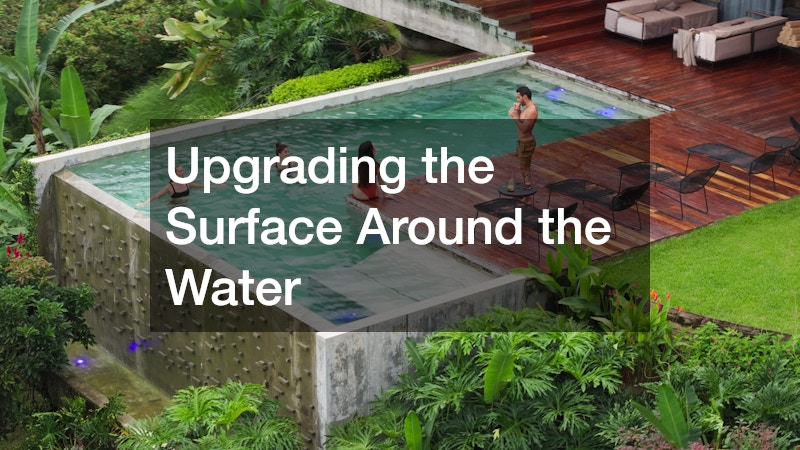
The area immediately surrounding a pool takes constant abuse from sun, water, and foot traffic, and an outdated or cracked surface can make even a brand-new pool look tired. Concrete that has shifted, pavers that have settled unevenly, or a surface that gets scorching hot in summer all detract from the overall experience. Professional pool deck services can resurface or rebuild this area with materials designed specifically for wet, high-traffic conditions.
Modern decking options go far beyond plain concrete, offering textured, slip-resistant, and heat-reflective surfaces that stay comfortable barefoot. The right material choice also ties the pool visually into the rest of the yard instead of leaving it looking like an isolated slab.
- Textured concrete reduces slipping around wet areas
- Pavers allow easier spot repairs than poured slabs
- Light-colored materials stay cooler underfoot in direct sun
- Proper slope and drainage prevent water pooling near the edge
Comparing Installers Before Committing to a Redesign
If a larger backyard overhaul is on the table, it pays to compare multiple swimming pool installers rather than accepting the first. Pricing, warranty terms, and design philosophy can vary significantly between companies, even for similar-looking projects. Getting at least three detailed estimates helps homeowners understand what is actually included versus what will be an added cost later.
It also helps to ask how each installer handles unexpected site issues, such as poor soil conditions or existing drainage problems, since these are common causes of budget overrun. A company that explains its process clearly and answers questions without pressure is usually a safer long-term partner.
- Request itemized quotes rather than lump-sum estimates
- Ask about warranty coverage on both equipment and labor
- Check recent reviews specifically mentioning communication and timelines
Adding a Safety Barrier That Fits the Design
Safety is often an afterthought once the excitement of a new pool takes over, but a yard without proper boundaries rarely feels complete or comfortable, especially for families with children or pets. Many areas also legally require some form of barrier around a residential pool. Well-designed pool fences can meet these requirements while still complementing the overall look of the yard.
Options range from classic wrought iron to sleek glass panels that preserve sightlines to the water, so safety does not have to mean sacrificing style. Choosing a style that matches the home’s architecture helps the barrier feel like a designed feature rather than an obligatory add-on.
- Self-latching gates are often required by local safety codes
- Mesh fencing offers an affordable, removable option
- Glass panels maintain an open sightline for supervision
Replacing Struggling Grass Near the Pool Area
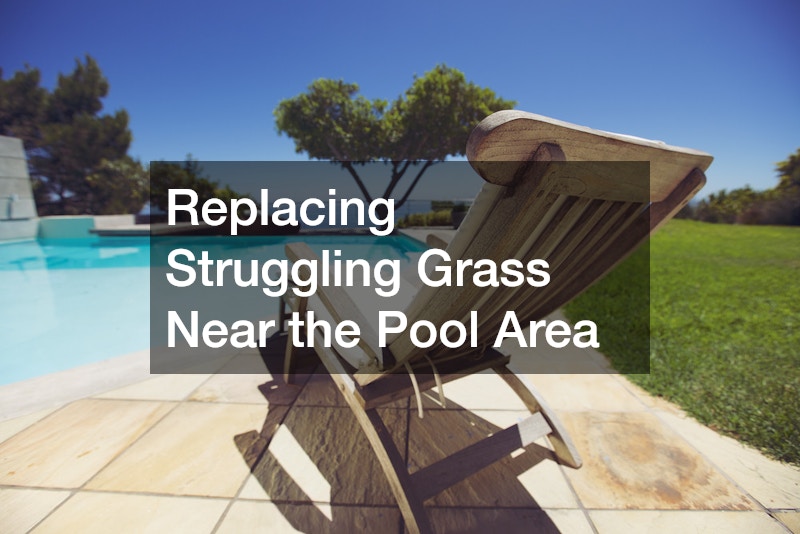
Grass close to a pool often struggles with splashed chlorinated water, heavy foot traffic, and inconsistent sun exposure, leaving bare or discolored patches that stand out against the clean lines of a new pool. For many homeowners, this becomes the most frustrating part of an otherwise beautiful backyard. Professional artificial turf installation offers a low-maintenance alternative that stays green and even year-round, regardless of splash zones or shade patterns.
Quality synthetic turf today looks far more realistic than older versions and includes proper drainage systems so water runs off rather than pooling near the pool edge. It also eliminates muddy footprints being tracked across new decking, which helps protect the investment made in the surrounding hardscape.
- Look for turf with built-in drainage backing near pool areas
- Choose a pile height that matches the look of a natural lawn
- Confirm the product is rated safe for high-traffic, high-sun areas
Reviving Natural Lawn in the Rest of the Yard
Not every part of the yard needs synthetic turf, and many homeowners prefer to keep natural grass in areas farther from the p ol. That grass, however, often gets neglected during a pool renovation as equipment, materials, and foot traffic take a toll on t. A structured lawn treatment program can restore color and density once construction dust settles.
Seasonal fertilization, aeration, and weed control address the specific stress that construction activity places on soil and root systems. Pairing this recovery plan with regular lawn mowing services keeps the rest of the yard looking sharp while attention is focused on the pool area itself.
- Aeration helps loosen compacted soil left by construction equipment
- Overseeding fills in bare patches faster than grass alone
- Consistent mowing height prevents stress on recovering grass
Clearing Trees That Block Views or Damage Structures
Overgrown or poorly placed trees can undermine even the most expensive pool upgrade by dropping debris into the water, blocking sunlight, or threatening nearby decking with invasive roots. Homeowners sometimes wait too long to address this because removal feels like an unnecessary expense. In reality, professional tree removal is often one of the most impactful changes for both safety and appearance.
Removing a problem tree can open up sightlines to the pool, reduce daily maintenance from falling leaves and seed pods, and eliminate root systems that threaten underground plumbing or decking foundations. In some cases, selective trimming rather than full removal is enough, so it is worth getting a professional opinion before deciding.
- Roots near a pool can crack decking or shift foundations over time
- Overhanging branches increase debris and cleaning frequency
- Removing shade-heavy trees can improve pool water temperature
Transform Your Backyard: Discover How Small Changes Can Make a Big Impact!

To truly transform your backyard into a cohesive and inviting retreat, it’s essential to consider the interplay of various elements at play. While a stunning pool can serve as a centerpiece, the surrounding details significantly enhance the overall aesthetic and functionality of the space. For instance, proper lighting can extend the enjoyment of your outdoor area into the evening hours, creating a warm and welcoming ambiance. Thoughtfully chosen decking not only provides a stylish surface for lounging and entertaining but also complements the pool’s design, making the entire area feel more integrated.
By walking through your space and assessing these various components, you can easily identify which aspects may be lacking or incomplete. Focusing on just a couple of these areas—such as adding lighting fixtures or improving landscaping—can yield significant improvements without necessitating a full-scale renovation. This incremental approach allows you to create a beautiful and functional backyard that feels finished and inviting, ultimately enhancing your outdoor experience. Plus, as you make these smaller updates, you may find inspiration for larger changes down the line, creating a personalized oasis that reflects your style and meets your needs.